

Should You Go on Safari in Spring?
A Guide to Spring and the Start of the Green Season in South Africa's Waterberg
Last Updated: August 2026 By April Theledi (Head Ranger, FGASA Professional Field Guide) & Ian Verkuijlen (Photographer & Social Media, Ndlovu Safari Lodge)
Quick Answer: Should You Go on Safari in Spring in Welgevonden?
Yes. Spring (September to November) is one of the most rewarding times to visit Welgevonden Game Reserve. As the reserve transitions from the dry winter months into the beginning of the green season, the landscape starts to transform. The bush remains relatively open, making wildlife easier to spot, while the first rains encourage fresh vegetation and mark the beginning of peak birthing season for many animals.
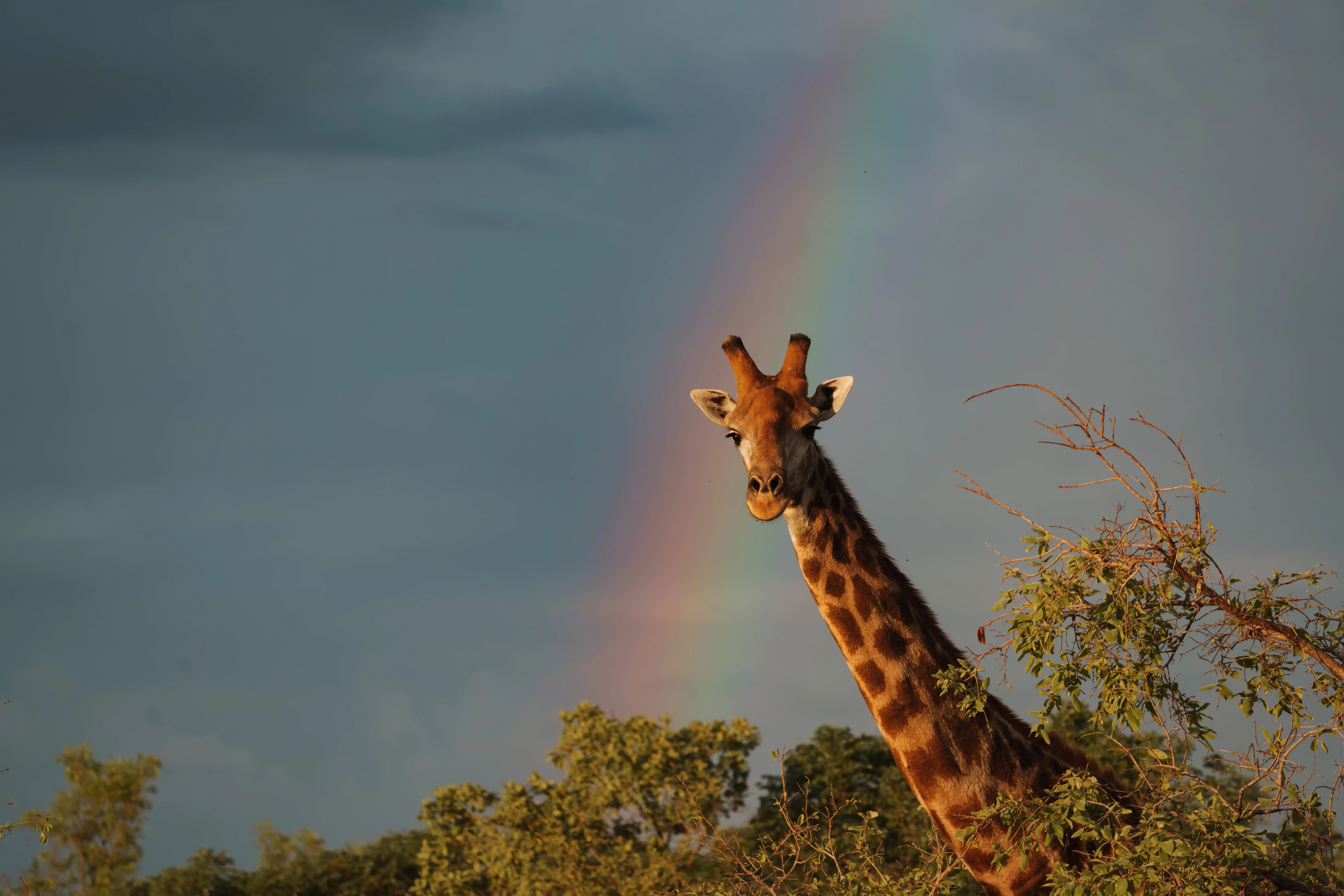
Temperatures become increasingly comfortable throughout spring, with mornings warming noticeably after winter and afternoons reaching around 25°C to 30°C by October and November. Across the reserve, newborn animals begin appearing alongside fresh green shoots, while dramatic afternoon clouds create some of the year's most spectacular safari scenery.
At Ndlovu Safari Lodge, spring offers the perfect balance between excellent game viewing, comfortable weather, and the first signs of the Waterberg coming back to life. Golden-hour game drives, colourful sunsets, and a reserve filled with young wildlife make this one of our favourite seasons to experience the bush.
Key Takeaways
- Spring in Welgevonden runs from September to November, bridging the dry winter and the start of the green season.
- It is peak birthing season, with newborn zebra, antelope, wildebeest and other herbivores commonly seen throughout the reserve.
- According to current seasonal forecasts, the developing El Niño pattern is expected to delay the arrival of significant rainfall during spring 2026, meaning the bush is likely to stay drier for longer before greening later in October or November.
- Spring combines comfortable temperatures with excellent wildlife viewing, making it a great choice for both first-time safari visitors and returning guests.
- The changing weather produces dramatic cloud formations and warm golden light, creating outstanding conditions for wildlife photography.
- At Ndlovu Safari Lodge, spring pairs luxury accommodation with open-air dining, twice-daily game drives, and ever-changing views across the Waterberg landscape.
When Is Spring in South Africa, and What Does It Look Like in Welgevonden?
Spring in South Africa runs from September through November and marks the gradual shift from the dry winter season to the lush summer months. In Welgevonden Game Reserve, located within the UNESCO-listed Waterberg Biosphere, this seasonal change happens progressively rather than overnight.
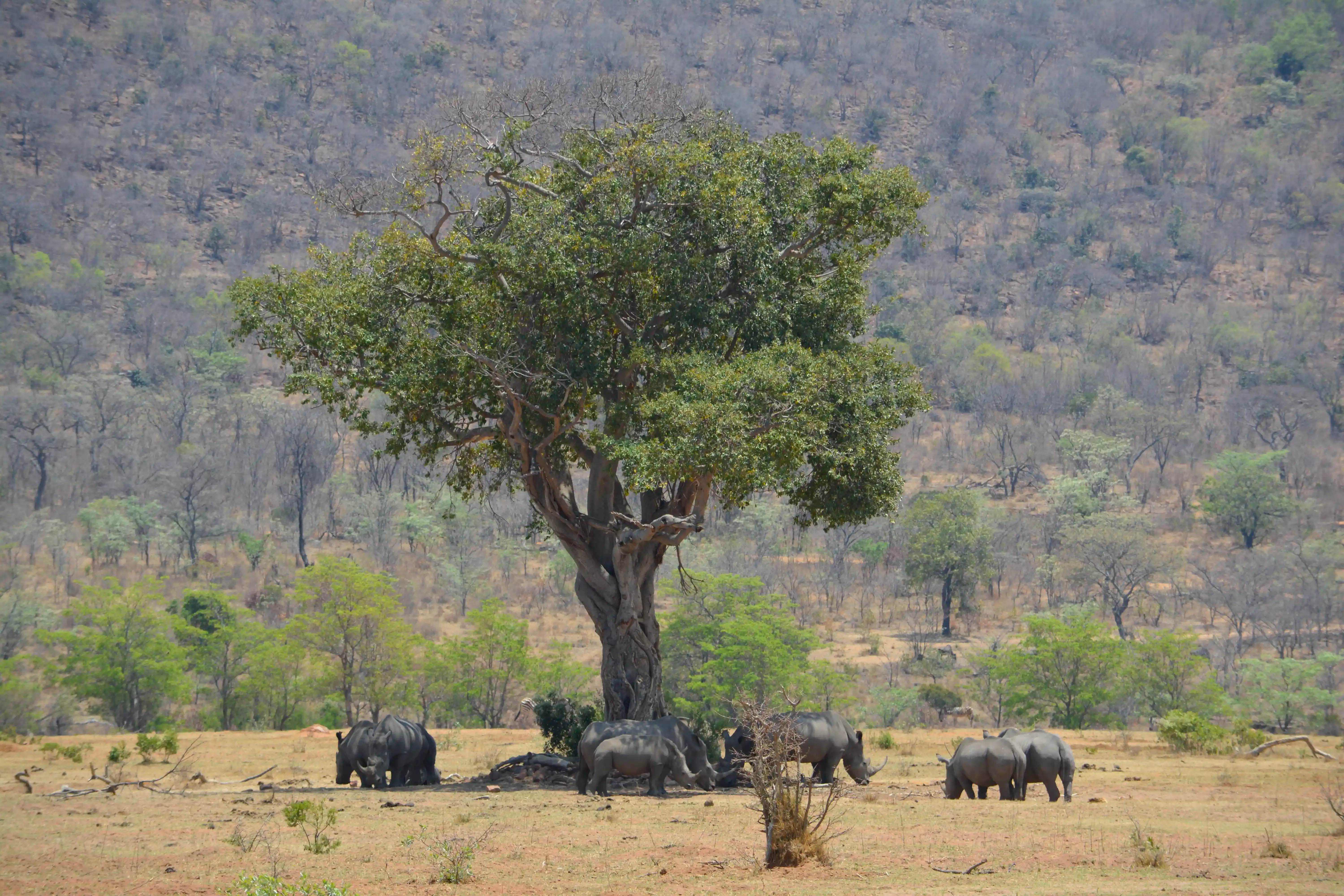
September often still feels like winter in many respects. Vegetation remains sparse, wildlife continues gathering around reliable water sources, and visibility is excellent. As October progresses, daytime temperatures climb, isolated thunderstorms begin developing, and the first patches of fresh green vegetation start appearing across the reserve. By November, rainfall usually becomes more frequent, bringing fresh green growth across the reserve.
According to the latest World Meteorological Organization seasonal outlook, a strengthening El Niño pattern is expected to influence southern Africa during the second half of 2026. The South African Weather Service forecasts suggest Limpopo could experience below-average rainfall together with above-average temperatures during spring. Rather than diminishing the safari experience, this is likely to extend many of winter's favourable viewing conditions before the reserve greens up later in the season.
Because seasonal forecasts are updated regularly, we always recommend checking the latest weather outlook closer to your travel dates
How Does Spring Affect Wildlife Viewing in Welgevonden?
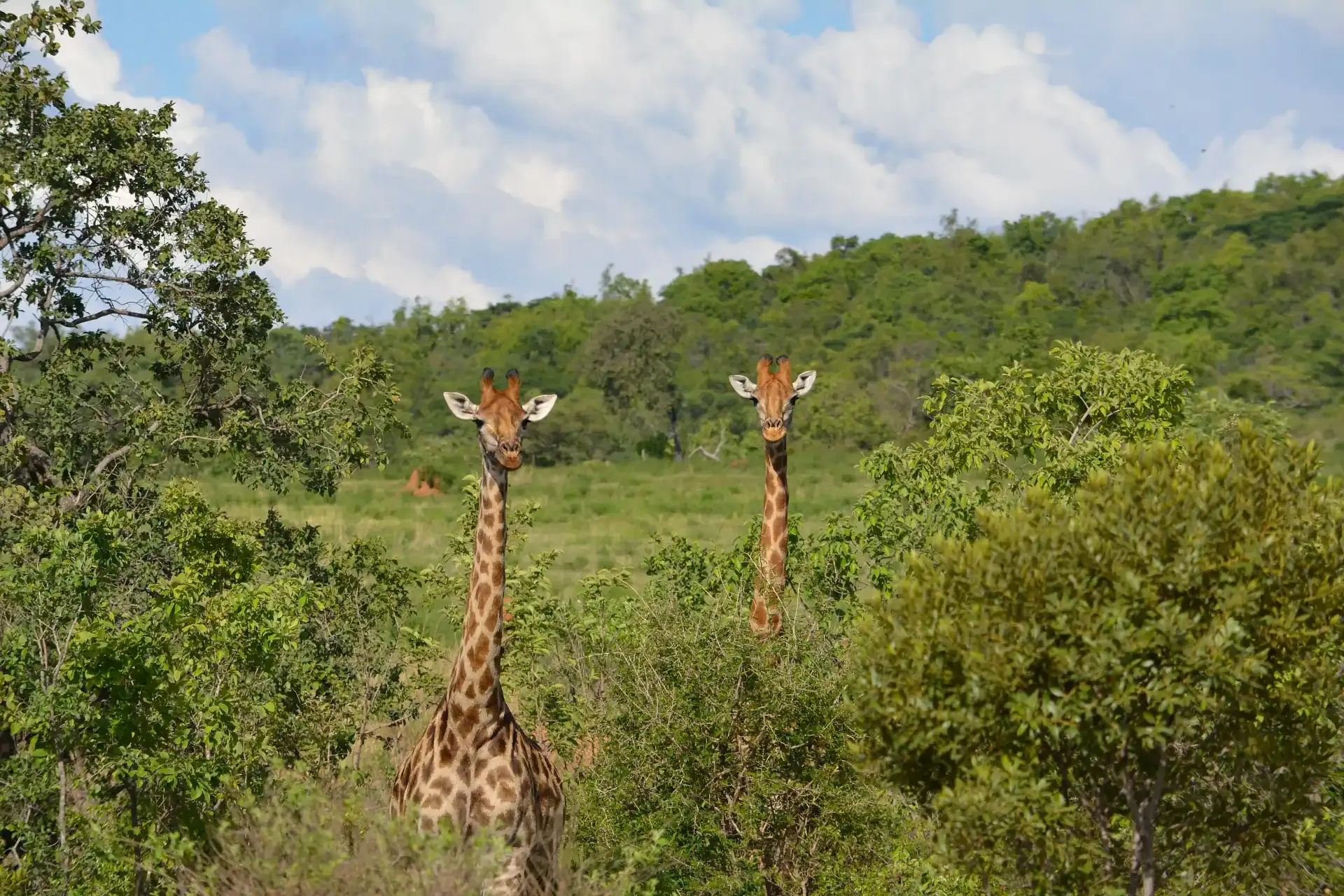
Spring is one of the busiest periods of the year for wildlife across Welgevonden Game Reserve. Many herbivores give birth during these months, filling the reserve with young animals taking their first steps and staying close to their mothers. For many guests, these moments become the highlight of their safari.
April Theledi, Head Ranger at Ndlovu Safari Lodge and an FGASA-qualified field guide, has spent years guiding guests through Welgevonden and looks forward to spring every year.
"We are expecting a really strong season for baby animals this year, especially zebra. You will see foals everywhere, still wobbly on their legs, sticking close to their mothers. It is one of my favourite times to be out in the reserve."
Is Spring Good for Wildlife Photography?
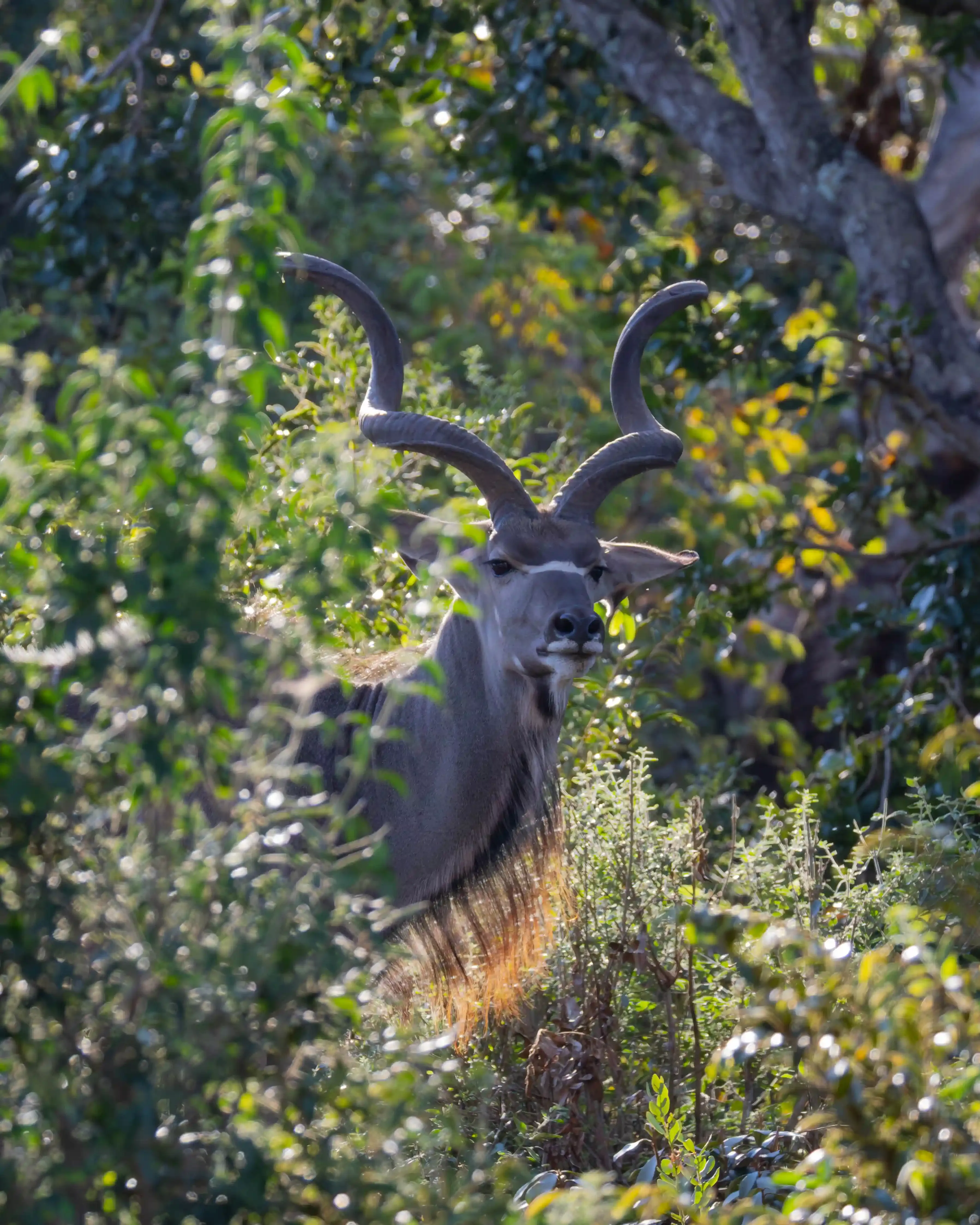
Absolutely. Spring is one of our favourite seasons for photography because every game drive can offer something different. One afternoon may bring golden light across dry grasslands, while the next delivers towering storm clouds gathering over the Waterberg escarpment.
Ian Verkuijlen, photographer and social media lead at Ndlovu Safari Lodge, explains why this season stands out:
"Winter gives you clarity, but spring gives you drama. The skies start building toward the first storms, the light turns rich and golden by late afternoon, and then there are of course the baby animals.”
Throughout spring, photographers can expect:
- Towering afternoon cloud formations before the first summer storms
- Warm golden-hour light that adds depth and colour to wildlife images
- Frequent opportunities to photograph newborn animals
- Fresh green vegetation contrasting against the remaining golden winter bush
- Quieter game-viewing conditions than peak winter, making it easier to capture clean, unobstructed shots
Whether you are using a professional camera or simply photographing your safari with a smartphone, spring offers an incredible variety of subjects throughout every stage of the season.
%20copy.webp)
Is Spring Comfortable for First-Time Safari Visitors?
Yes. Spring is an excellent choice for travellers experiencing their first African safari because it combines pleasant weather with outstanding wildlife viewing. The colder winter mornings have largely passed, yet the reserve has not reached the hotter, wetter conditions of midsummer.
Many first-time guests appreciate that spring offers a little of everything. Wildlife remains active, temperatures are comfortable for spending long periods outdoors, and the landscape changes noticeably as the season progresses.
Some of the biggest advantages include:
- Comfortable mornings with warm afternoons
- Excellent chances of seeing newborn wildlife
- Beautiful photographic conditions throughout the day
- A landscape gradually transforming from dry winter colours to fresh green vegetation
Later in summer, Welgevonden becomes greener and attracts migratory bird species, while winter provides the clearest game-viewing conditions of the year. Spring sits comfortably between the two, offering a balance that appeals to a wide variety of travellers.
%20copy.webp)
Are There Any Downsides to Visiting in Spring?
Like every season, spring has a few characteristics worth considering before booking your safari.
- Weather becomes more changeable as the reserve transitions towards summer, particularly during late October and November.
- The strengthening El Niño pattern expected during 2026 may delay the arrival of significant rainfall, meaning the landscape could remain drier than usual for longer.
- Afternoon temperatures gradually increase as summer approaches, especially later in the season.
For many guests, however, these are minor trade-offs. The combination of comfortable temperatures, active wildlife, changing landscapes and exceptional photography opportunities makes spring one of the most rewarding times to experience Welgevonden.
Frequently Asked Questions
Should I go on safari in Welgevonden during spring?
Yes. Spring (September to November) is one of the best times to visit if you want comfortable weather, excellent wildlife viewing and the chance to see newborn animals. The season also brings changing landscapes, colourful skies and ideal conditions for photography.
Will it rain during my spring safari?
Rainfall usually increases gradually throughout spring, although the timing varies from year to year. Seasonal forecasts for 2026 suggest a strengthening El Niño pattern could delay the arrival of widespread rainfall across Limpopo, meaning September and much of October may remain drier than average before the landscape greens later in the season.
Will I see baby animals during spring?
Very likely. Spring is the main birthing season for many herbivores in Welgevonden, including zebra, wildebeest and several antelope species. Our guiding team expects another excellent season for zebra foals, making this one of the highlights of a spring safari.
What should I pack for a spring safari?
Pack lightweight clothing for warm afternoons together with a warm layer for early morning game drives. Comfortable closed shoes, sunglasses, sunscreen, a hat, binoculars and a camera are all recommended to make the most of your safari experience.
Is spring the best time to visit Welgevonden?
Every season offers something different.
- Winter (May to August): Excellent wildlife viewing, cool temperatures and the clearest visibility.
- Spring (September to November): Newborn wildlife, comfortable weather and landscapes beginning to turn green.
- Summer (December to April): Lush scenery, migratory birds and dramatic afternoon thunderstorms.
The best season depends on the type of safari experience you're looking for.
Final Summary
Spring is one of the most exciting times to experience Welgevonden Game Reserve. As winter gives way to the first signs of the green season, the reserve comes alive with newborn wildlife, warming temperatures and ever-changing landscapes. The bush still offers excellent visibility early in the season, while fresh vegetation, dramatic afternoon skies and golden light create memorable game drives and exceptional photographic opportunities.
With seasonal forecasts indicating a later start to the rains during 2026, visitors may enjoy extended dry-season viewing conditions before the landscape begins its annual transformation. Whether you're planning your first safari, returning to experience a different side of the Waterberg, or hoping to photograph young wildlife in beautiful natural light, spring offers a rewarding balance of comfort, scenery and wildlife encounters.
At Ndlovu Safari Lodge, every season tells a different story. Spring is the story of renewal, of new life emerging across the reserve, landscapes beginning to change, and every safari revealing something different from the one before.
About the Authors
April Theledi is Head Ranger at Ndlovu Safari Lodge and an FGASA Professional Field Guide with advanced tracking qualifications. Having guided guests through Welgevonden Game Reserve for many years, he shares first-hand knowledge of the reserve's wildlife, seasonal changes and conservation efforts.
Ian Verkuijlen is Photographer and Social Media Lead at Ndlovu Safari Lodge. Through safari drives, wildlife photography and digital storytelling, he documents life in Welgevonden and helps guests discover the reserve through photography, articles and social media.